
DEFINITION
What is Intergrative Psychiatry ?
Integrative Psychiatry is a whole-person approach to mental health care that goes beyond diagnosis and prescription to investigate the underlying imbalances driving psychiatric symptoms. Rather than asking "which medication will quiet this?" it asks "what is actually happening in this person's mind, body, and life — and what do they need to heal?"
Mental health conditions rarely have a single cause. Family history, hormonal dysregulation, nutrient deficiencies, chronic inflammation, gut-brain axis dysfunction, sleep disruption, unresolved trauma, and lifestyle factors can all fuel or worsen depression, anxiety, mood instability, and other psychiatric conditions — yet they often go completely undetected in conventional psychiatric settings. Integrative Psychiatry looks for all of it.
In practice, this means combining the full diagnostic and treatment toolkit of board-certified psychiatry with evidence-based integrative modalities: functional medicine testing, dietary and nutritional interventions, mindfulness and yoga, herbal medicine, homeopathy, aerobic exercise, and psychotherapy — alongside medication when appropriate. The result is care that is genuinely comprehensive, deeply individualized, and grounded in the belief that the mind, body, and spirit influence each other in ways that must all be addressed for lasting healing.
Qualifications & Background
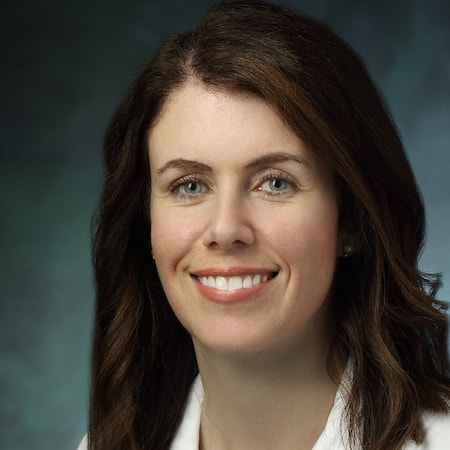
Dr. Misty Embrey has trained not only in Western medicine but also traveled to India and China during medical school to study directly with practitioners of Ayurveda, Homeopathy, and Traditional Chinese Medicine. She documented this journey in a film — The Healer Within — for which she received the Scholarship in Medical Humanities Award from her medical school. This is not a practitioner who added "integrative" to her title as an afterthought. Holistic healing has been her north star from the very beginning.
INDICATIONS
What conditions does it help with?
ADVANTAGE
Why Seek Integrative Psychiatry at GWCIM?
The most important difference is this: Dr. Embrey treats the person, not the diagnosis. She takes the time — a rarity in psychiatric care — to understand the full picture of your life, health, history, and biology before making any recommendations. Her evaluations examine not just psychiatric symptoms but nutritional status, lifestyle patterns, environmental exposures, sleep, exercise, social support, and sense of meaning and purpose. These are not soft extras. They are essential clinical data.
She also has immediate access to GWCIM's broader integrative team. If your depression is being driven by a thyroid issue, your naturopathic doctor is down the hall. If somatic trauma work would accelerate your progress, your acupuncturist and certified Somatic Experiencing Practitioner is a colleague. If functional medicine testing reveals a nutritional driver, your nutritional counselor is part of the same practice. This kind of seamless, collaborative care is genuinely unusual in psychiatric settings — and it makes a real difference in outcomes.
GWCIM also offers Ketamine-Assisted Psychotherapy (KAP) for patients with treatment-resistant depression, anxiety, and chronic pain — a cutting-edge option that requires psychiatric oversight and is far better supported in an integrative setting where the therapeutic dimension is taken as seriously as the pharmacological one.
APPROACH
List of Mental health issues
- Depressive disorders (major depression, persistent depressive disorder, postpartum depression)
- Anxiety disorders (generalized anxiety, social anxiety, health anxiety, panic disorder)
- Bipolar disorder
- Schizophrenia and psychotic disorders
- Personality disorders
- OCD, tics, and Tourette syndrome
- PTSD and complex trauma (C-PTSD)
- Eating disorders
- ADHD (Attention Deficit/Hyperactivity Disorder)
- Addiction and substance use disorders
- Psychiatric aspects of gender transition and LGBTQ+-related concerns
- Burnout and demoralization
- Grief and complicated loss
- Insomnia and disrupted sleep
- Anxiety and depression related to chronic illness
- Psychiatric sequelae of environmental exposures
- Hopelessness and loss of meaning or purpose
- Deeply ingrained patterns of thought, behavior, and emotional reactivity
Look at Your Whole Life (Body, Mind, Heart, and Spirit)
Mental health issues come from many places: your genes, past hurts, friends/family, or even your beliefs. We check everything.
Address the Real Causes, Not Just the Symptoms
Instead of only hiding sadness or worry with meds, we find hidden problems like poor gut health or low vitamins.
Make a Custom Plan with Your Body's Clues
We use tests for your genes and body levels to pick the best meds or natural helpers—no guessing.
Mix the Best Tools Together
We team up medications, counseling, nutrition, mindfulness, yoga, acupuncture, or herbs for faster healing.
Prevention, Resilience, and Lifestyle Optimization
Sleep, diet, exercise, mindfulness, and social connection - to build long-term mental resilience.
Care Options
Psychiatric Consultation: in person and telemedicine
A comprehensive, in-depth evaluation with Dr. Misty Embrey, MD, covering your full psychiatric, medical, and lifestyle history. Results in a personalized, integrative treatment plan. Follow-ups: Ongoing sessions to assess progress, adjust treatment, review lab findings, and refine your plan as your health evolves.
Child and Adolescent Psychiatry Appointments
Dr. Embrey holds fellowship training in Child and Adolescent Psychiatry from Johns Hopkins Hospital and is equipped to support younger patients with an integrative approach.
Ketamine-Assisted Psychotherapy (KAP)
Medical Clearance and Oversight: Dr. Embrey is one of the GWCIM providers who reviews patient history and provides medical clearance for KAP, which is available at GWCIM for treatment-resistant depression, anxiety, and chronic pain.
EXPERTISE
Recommended Providers
LEARN MORE
What to expect as a patient
- Time and attention: Your first session is a real conversation — unhurried, wide-ranging, and focused on understanding you as a whole person, not just your diagnosis.
- Deeper testing when needed: Dr. Embrey may recommend functional medicine labs to uncover biological drivers of your symptoms that standard psychiatric workups typically miss.
- A plan that's built for you: Treatment may combine medication, supplements, dietary guidance, mindfulness, and referrals to GWCIM colleagues — and it evolves as you do.
- Integrated team care: Dr. Embrey works directly with GWCIM's naturopathic doctors, nutritionists, and somatic practitioners so your psychiatric care connects with your broader health picture.
Q&A
Q&A
Conventional psychiatry focuses on diagnosing conditions and prescribing medication to manage symptoms. Integrative psychiatry does all of that — and goes further. Dr. Embrey uses functional medicine testing, nutritional analysis, lifestyle assessment, and a deep understanding of how body systems affect the brain to identify why symptoms are occurring and what the whole person needs to heal. Medication is one option among many, not the default starting point.
Yes. Dr. Embrey is a board-certified psychiatrist and can prescribe and manage psychiatric medication when it is clinically indicated and desired by the patient. She approaches prescribing thoughtfully — at the lowest effective dose and always as part of a broader integrative plan, not in isolation.
Absolutely. Dr. Embrey regularly works with patients who come in already on medication and helps them evaluate, optimize, or — when appropriate and desired — transition away from medications using an evidence-based, gradual approach. Any changes are made carefully and collaboratively.
Yes. Dr. Embrey completed a Child and Adolescent Psychiatry Fellowship at Johns Hopkins Hospital and is trained to work with younger patients using a developmentally appropriate, integrative approach.
A central one. GWCIM functional medicine doctors can help assess nutritional status, hormonal balance, gut health, sleep, exercise, and environmental exposures as part of every evaluation — because these factors directly influence brain chemistry and mood. Dr. Embrey may recommend targeted dietary changes, supplements, or herbal remedies as part of your treatment plan, and coordinate with GWCIM's naturopathic and nutrition team when deeper support is needed.
KAP pairs low-dose ketamine with therapeutic support to address treatment-resistant depression, anxiety, and chronic pain. It works by rapidly enhancing neuroplasticity — creating a window for meaningful therapeutic breakthroughs. Dr. Embrey is one of the GWCIM physicians who provides the required medical review and clearance for KAP. Sessions are 3 hours at $600 in a private room at GWCIM. It may be an option worth exploring if you have not responded to prior treatments.
Somatic Experiencing® (SE) is a body-centered approach to healing trauma and chronic stress. Where psychiatry and talk therapy tend to work "top-down" — addressing thoughts, narratives, and behavior — SE works "bottom-up," releasing the physiological imprint of trauma stored in the nervous system. It is an auxiliary method that works alongside mental health care, reaching what words alone sometimes can't. At GWCIM, SE is offered by Angela Gabriel, L.Ac., SEP, a certified Somatic Experiencing Practitioner and licensed acupuncturist.
EDUCATION