
•Overview
Understanding the Condition
Aging is not a disease — but it is the single greatest risk factor for most conditions that affect quality and length of life. It reshapes every aspect of who we are: physical, cognitive, emotional, social, and spiritual. Some capacities naturally decline; others — wisdom, resilience, depth of perspective — often grow. Research consistently shows that meaningful improvement in function, cognitive vitality, and well-being is achievable at any age with the right support.
Conventional medicine excels at the acute crises of aging — fractures, infections, cardiac emergencies. Where it falls short is in the chronic, interconnected conditions that determine how a person actually lives.
At GWCIM, we take a fundamentally different approach. Guided by geroscience and grounded in integrative and functional medicine, we look beyond individual diagnoses to address the underlying drivers of how each person ages. Our goal is not merely to add years to life, but to add life to years.
•Recognition
Signs and Symptoms
Understanding why aging unfolds the way it does is foundational to addressing it intelligently. Modern geroscience has identified a set of core biological processes — often called the hallmarks of aging — that drive the gradual functional decline seen across the body's systems. These include genomic instability and DNA damage accumulation, telomere shortening, epigenetic dysregulation, mitochondrial dysfunction, loss of cellular protein quality control (proteostasis), deregulated nutrient sensing, cellular senescence (the accumulation of damaged "zombie" cells that drive inflammation), stem cell exhaustion, and chronic low-grade systemic inflammation — sometimes called inflammaging.
These processes do not operate independently. They interact, amplify one another, and together produce the downstream conditions — cardiovascular disease, dementia, sarcopenia, diabetes, immune decline, and more — that we have traditionally treated as separate problems. Addressing aging well requires working upstream, at the level of these mechanisms, rather than simply managing each resulting condition in isolation.
This is the lens through which GWCIM sees geriatric health:
- Cardiovascular and Metabolic Health
- Cognitive Health and Dementia Prevention
- Parkinson's Disease
- Musculoskeletal Health, Mobility, and Falls
- Chronic Pain
- Mental and Emotional Well-being
- Sleep Disorders
- Hormonal Health
- Nutrition and Digestive Health
- Polypharmacy
- Immune System Resilience
- Neurotransmitter Balance
- Dehydration and Fluid Balance
•Clinical Process
Conventional Diagnosis and Testing
Conventional geriatric medicine has made remarkable advances in extending lifespan and managing the acute complications of aging. Geriatricians are trained to assess the complex interplay of chronic conditions, cognitive function, mobility, medications, and social factors that shape health in later life. Tools like Comprehensive Geriatric Assessment have been shown to reduce hospitalizations, improve function, and support longer independent living. Where it struggles is with time and fragmentation: the complexity of an aging patient rarely fits a standard appointment, and care divided across multiple specialists — each focused on a single organ — can leave no one responsible for seeing the whole person. It often results in polypharmacy — the accumulation of multiple medications prescribed by different providers who may not have full visibility into what else a patient is taking — which itself becomes one of the most significant drivers of harm in older adults.
•Origins
Root Causes and Contributing Factors
While aging is universal, how fast and how well someone ages is shaped by an interplay of biological, lifestyle, and environmental factors. At GWCIM, we pay particular attention to the modifiable drivers of accelerated aging.
Chronic inflammation (inflammaging) is perhaps the most pervasive driver of age-related decline, underpinning cardiovascular disease, dementia, diabetes, sarcopenia, and cancer. It can be driven by gut dysbiosis, poor diet, chronic stress, infections, environmental toxins, and unaddressed chronic disease.
Mitochondrial dysfunction reduces the energy available to every cell in the body and contributes to fatigue, cognitive decline, cardiovascular dysfunction, and metabolic disease. It is responsive to targeted nutritional and lifestyle interventions.
Hormonal decline across multiple axes — thyroid, adrenal, sex hormones — affects energy, body composition, cognition, mood, and cardiovascular risk in ways that are often undertreated in conventional care.
Gut microbiome dysbiosis has been increasingly linked to aging-related cognitive decline, cardiovascular disease, immune dysfunction, and systemic inflammation through the gut-brain and gut-immune axes.
Nutritional deficiencies, particularly of vitamin D, B12, magnesium, omega-3 fatty acids, zinc, and protein, are extraordinarily common in older adults and have cascading effects on virtually every aspect of health.
Chronic stress and psychological burden accelerate biological aging at the cellular level, including telomere shortening and epigenetic aging. Social isolation, grief, and untreated depression and anxiety are genuine physiological stressors.
Sedentary behavior and deconditioning are among the most powerful accelerants of aging-related decline — and physical activity is, correspondingly, one of the most evidence-supported interventions available at any age.
Environmental toxicity, including heavy metals, mold, and persistent organic pollutants, contributes to systemic inflammation, neurological dysfunction, hormonal disruption, and accelerated cellular aging in a meaningful subset of patients.
Sleep deprivation and disruption impair glymphatic clearance of amyloid and tau proteins, immune function, metabolic regulation, and hormonal balance — making sleep one of the most important and most underappreciated pillars of healthy aging.
Polypharmacy contributes to accelerated functional decline in older adults through drug-drug and drug-nutrient interactions, cognitive side effects, increased fall risk, and depletion of essential nutrients
•Methodology
Our Integrative Medicine Approach
Our approach is unhurried, thorough, and built around the whole person — not a list of diagnoses.
We begin with a comprehensive evaluation that integrates conventional geriatric assessment with functional medicine diagnostics. From there, we develop a personalized, prioritized care plan that addresses root causes, optimizes each major body system, and is realistic and sustainable in the context of each patient's life, values, and goals. We revisit and refine that plan together over time.
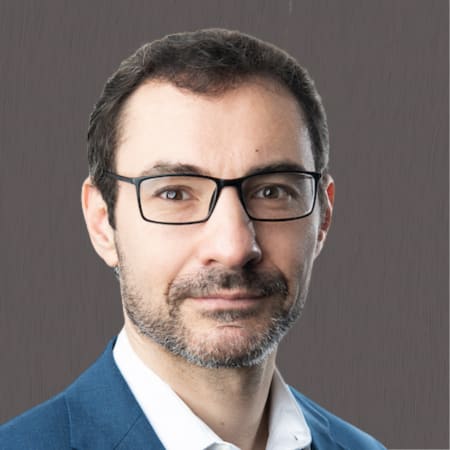
Dr. Mikhail Kogan brings rare dual training in geriatrics and integrative medicine, with deep expertise in cognitive health, longevity medicine, and the complex medical management of older adults. He is supported by a full multidisciplinary team of integrative specialists, ensuring that every dimension of health is addressed in a coordinated, communicative, and genuinely holistic way.
We always work in coordination with your existing healthcare providers, communicating clearly and ensuring that your full care team is aligned. We are your integrative geriatric home — not a replacement for your specialists, but the connective tissue that brings it all together.
•Expertise
Recommended Providers
•Verification
Evidence and Research
•Education
Resources and Insights
•FAQ
Common Questions
Our evaluations are far more comprehensive, our appointments substantially longer, and our therapeutic toolkit much broader. We combine conventional geriatric medicine with functional medicine diagnostics and integrative therapies to address root causes rather than managing symptoms in isolation. We also coordinate care across your full team of providers in a way that standard primary care rarely has the time or infrastructure to do.
Our model of care — with longer appointments, comprehensive functional medicine evaluations, and a broader therapeutic approach — is not adequately reimbursed under Medicare's fee structure. Operating as a cash-based practice allows us to provide the depth and quality of care our patients deserve. We provide full documentation to support any eligible reimbursement claims.
The ReCODE (Reversal of Cognitive Decline) Protocol, developed by Dr. Dale Bredesen, is a personalized, systems-biology-based program that addresses the multiple metabolic, inflammatory, hormonal, and lifestyle drivers of Alzheimer's disease and cognitive decline. It is appropriate for those with early memory concerns, mild cognitive impairment, a family history of dementia, or those seeking proactive cognitive preservation. GWCIM has a dedicated ReCODE coordinator and significant clinical experience with this protocol.
Medication review is a standard component of every evaluation. Many older adults are taking medications that are no longer necessary, that interact with one another, or that carry particular risks in older adults. We use evidence-based frameworks including the Beers Criteria to identify potentially inappropriate prescribing, consult with prescribing physicians, and work to simplify regimens thoughtfully — always in coordination with the full care team.
Both. Dr. Kogan provides both comprehensive integrative geriatric consultations and ongoing geriatric primary care. For patients seeking a long-term integrative medical home, we can serve that role — coordinating with specialists and managing chronic conditions over time.
Absolutely — and we strongly encourage it. We view ourselves as a complement to, not a replacement for, your existing specialist care. Clear communication and coordination with your full care team is a core part of how we work.
A complete list of all current medications and supplements, any recent laboratory results or imaging, a summary of your medical history if available, and your questions and goals. Come prepared to have a real, unhurried conversation about your health — that is what we are here for.