

DEFINITION
What is Functional Medicine?
Physiology, functions, and system relationships are at the root of health imbalances. Functional Medicine recognizes the principle: “One condition, Many Causes | One Cause, Many Conditions.”
Functional Medicine takes a different approach to your health. Instead of "What disease do you have?", it is "Why are you sick?" This simple change of focus affects how we listen to your story, what tests we run, how we interpret them, what we learn, and how we map a healing path.
Think of your body as a connected system, not just a collection of separate parts. If something's not working right in one area – like your gut, hormones, or immune system – it doesn't stay there. For example, feeling tired might lead to trouble concentrating. Inflammation can cause pain. And gut issues can even affect your mood. We understand that one problem can have many causes, and one cause can lead to many different symptoms. How these imbalances show up in your body depends on your unique genes, your environment, and your life experiences.
Instead of just giving you a medication to manage your symptoms, functional medicine doctors take the time to truly understand you: your genetics, your physiology, your mental health, your story, your stress level, and your lifestyle, and connect the dots to understand how your health functions.
INDICATIONS
What conditions does it help with?
ADVANTAGE
Why Choose GWCIM?
GWCIM has been practicing Integrative and Functional medicine in Washington, D.C. for over 25 years, making us the longest-established integrative clinic in the region. Over decades, we've built a multidisciplinary team of more than 25 clinicians whose expertise spans conventional medicine, naturopathic medicine, Chinese medicine, nutrition, mind-body therapies, and more.
When you come to us for functional medicine, you're not getting a solo practitioner with a single lens; instead, you're getting a coordinated team that can see your health from every angle.
APPROACH
Our Approach
Before your first appointment, you'll fill out a brief health questionnaire and upload any relevant medical records through your ChARM Patient Portal. Your Functional Medicine consultations at GWCIM start with a long, in-depth conversation. Your first visit is a chance to talk through your symptoms, medical history, environment, sleep, stress, nutrition, and the life events that have shaped your health along the way.
We use the Functional Medicine Timeline to trace your health from birth to the present — noting the infections, injuries, transitions, and stressors that may be feeding into what you're experiencing now. From there, we look beneath the surface with testing that reaches well beyond standard labs: gut microbiome, intestinal permeability, mitochondrial function, hormones, toxin exposures, food sensitivities, genetics, inflammation, and nutrient status — ordered thoughtfully, based on what your story suggests.
Once we have a clearer picture of what's driving your symptoms, we build a plan around it. That plan is specific to you, and it usually pulls from several directions: dietary changes, targeted supplementation, IV nutrient therapy when useful, botanical medicine, adjustments to sleep and movement, tools for regulating stress, and referrals to therapies within our clinic such as acupuncture, somatic work, or integrative mental health.
Our work isn't about chasing symptoms; it's about understanding where they come from and helping your body find its way back to steadier ground.
Science Meets Wisdom
Our approach is grounded in peer-reviewed research and rigorous clinical training — while remaining open to the full spectrum of healing modalities that evidence supports.
Patient as Partner
Healing happens when you understand your own body and feel empowered to care for it. We prioritize education, transparency, and shared decision-making at every step.
Your Whole Story Matters
Genetics, environment, relationships, trauma, nutrition, sleep — all of it influences your health. We look at you as a whole person, not a list of diagnoses.
Care Options
Initial Functional Medicine Consultation
A 60–90 minute comprehensive intake with one of our functional medicine providers. This is the foundation of your care plan.
Follow-Up Appointments
Scheduled visits to review lab results, assess progress, and refine your treatment plan as your health evolves. In-person and telemedicine are available.
EXPERTISE
Recommended Providers

Mikhail Kogan, MD
Integrative and Functional Medicine Physician | ReCODE Program | Chief Medical Officer

Ashley Drapeau, PA-C, L.Ac., MPAS, MAC
Medical Director | Functional Medicine | Long-Covid Program Director

Deirdre Orceyre, ND, MSOM, L.Ac.
Naturopathic and Chinese Medicine Physician, Naturopathic Medical Director

Marianna Ledenac, BS, ND
Naturopathic Physician
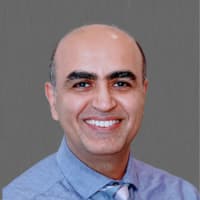
Paymon Sadrolsadot, ND, PhD
Naturopathic Psysician, Integrative Medicine Physician
LEARN MORE
What to expect as a patient
- In-Depth Initial Consultation
- Advanced Diagnostic Testing
- A Personalized Treatment Plan
- Ongoing Partnership
- Collaborative, Team-Based Care
FAQ
Common Questions
Is functional medicine evidence-based? A: Yes. Functional medicine is grounded in peer-reviewed biomedical science and systems biology. The testing we use, the interventions we recommend, and the frameworks that guide our clinical thinking are all rooted in published research. That said, functional medicine also embraces a broader evidence-informed toolkit — including nutrition, lifestyle, botanical medicine, and mind-body therapies — areas where a growing body of research supports their use, and where GWCIM's team has deep clinical expertise.
We use a combination of standard labs (which your insurance may cover) and specialized functional testing ordered through labs such as Genova Diagnostics, Doctor's Data, and others. Functional tests might include comprehensive stool analysis for gut microbiome health and intestinal permeability, organic acids testing for metabolic function, advanced hormone panels including cortisol rhythms and sex hormone metabolites, environmental and heavy metal toxin panels, food sensitivity testing, genetic panels (such as MTHFR), and comprehensive nutritional status panels. We'll always discuss which tests make sense for your specific situation — and explain what the results mean in plain language.
Absolutely — and we encourage it. Functional medicine is not a replacement for conventional care; it's a complement to it. We regularly collaborate with patients' primary care physicians and specialists, and we'll never ask you to discontinue treatments that are working for you. Our goal is to add clarity, depth, and additional tools to your care — not to compete with your other providers.
As much of your health history as possible — prior lab results, imaging reports, a list of current medications and supplements, and any relevant records from previous providers. The more context we have, the richer our understanding of your health story and the more precisely we can target your care. It also helps to come with a clear sense of your top health priorities and what you're hoping to achieve.
EDUCATION