

•Overview
Understanding the Condition
Mold toxicity and CIRS are two closely related but distinct conditions — and understanding the difference matters.
Mold toxicity occurs when a person is exposed to mycotoxins, the toxic compounds produced by certain types of mold. These molds thrive in damp, humid environments — often inside homes, offices, or schools — and their toxins can be inhaled, ingested, or absorbed through skin contact. Many people who live or work in water-damaged buildings are unknowingly exposed.
Chronic Inflammatory Response Syndrome (CIRS) can happen when someone with a certain genetic susceptibility is exposed to mold or other biotoxins over time. In these people, the immune system has trouble clearing the toxins, which can lead to ongoing inflammation throughout the body.
This inflammation can affect many parts of the body and cause a wide range of symptoms. A person may look healthy on the outside while feeling very unwell on the inside.
Mold-related illness and CIRS are often overlooked and misunderstood, even by healthcare providers. Many people go undiagnosed or are told they have another condition, such as chronic fatigue syndrome or fibromyalgia. If you have been sick for a long time without clear answers, it may be worth considering mold exposure and CIRS.
•Recognition
Signs and Symptoms
Mold-related illness and CIRS are notorious for producing a wide, shifting array of symptoms that can look like many other conditions. This is one reason they are so often missed. Symptoms vary depending on the type of mold involved, the duration and intensity of exposure, individual genetic factors, and overall health.
Common symptoms include:
Cognitive and Neurological
Brain fog, memory problems, difficulty concentrating, word retrieval issues, disorientation, dizziness, balance problems, numbness or tingling in the extremities, sensitivity to light or sound, and headaches or migraines.
Respiratory
Chronic coughing, wheezing, sinus congestion, sore throat, shortness of breath, and frequent sinus or respiratory infections.
Fatigue and Physical
Profound, often debilitating fatigue and weakness, joint pain, muscle aches, and recurring headaches.
Mood and Mental Health
Anxiety, depression, irritability, and mood swings that do not respond well to typical treatments.
Gastrointestinal
Nausea, abdominal pain, diarrhea, appetite changes, and digestive disruption.
Skin
Rashes, itching, and unexplained skin irritation.
In more advanced or long-standing cases, the immune system can become increasingly compromised, and patients may develop multiple chemical sensitivities, autoimmune conditions, and serious cognitive decline.
One important note: no single symptom on this list points definitively to mold or CIRS. It is the pattern — particularly when symptoms are numerous, persistent, and do not respond to conventional treatment — that raises the flag.
•Impact
Who is Affected
Anyone can be affected by mold exposure, but not everyone responds the same way. Roughly 25% of the population carries a genetic variant (related to specific HLA-DR immune system genes) that impairs their ability to clear biotoxins naturally. For these individuals and their family members, ordinary mold exposure in a water-damaged building can trigger CIRS — a sustained, self-perpetuating inflammatory response that does not resolve on its own, even after the mold exposure ends.
People who are more likely to be affected include those who live or work in older buildings, those who have experienced water damage or flooding in their home, individuals with a history of unexplained chronic illness, and people who have never felt fully well after a respiratory illness or environmental exposure.
CIRS and mold toxicity affect people across all age groups — including children, who are often the first to show symptoms in a household.
•Clinical Process
Conventional Diagnosis and Testing
Diagnosis is one of the most challenging aspects of mold-related illness. Standard medical workups often come back normal, which can leave patients feeling dismissed or confused.
A thorough evaluation typically includes a combination of clinical history and symptom assessment, specific blood markers (including inflammatory markers, hormone panels, and CIRS-specific labs such as MMP-9, TGF-beta-1, MSH, VIP, VEGF, and ADH/osmolality), HLA-DR genetic testing to assess biotoxin susceptibility, and visual contrast sensitivity (VCS) testing, a simple but revealing neurological screening tool.
Environmental testing of the patient's home or workplace is equally essential and is often the missing piece. At GWCIM, we frequently collaborate with environmental testing specialists to evaluate the living and working spaces of our CIRS patients — because treating the person while they remain in a contaminated environment will not work.
•Origins
Root Causes and Contributing Factors
Biotoxins are toxic substances produced by living organisms. In the context of CIRS (Chronic Inflammatory Response Syndrome), biotoxins may include mold toxins, bacteria, and other inflammatory compounds released from mold in water-damaged buildings. They may also come from tick-borne infections, blue-green algae (cyanobacteria), and post-infectious triggers such as long COVID.
In a healthy immune system, these substances are recognized and cleared. In people with CIRS, that response may not work properly. As a result, biotoxins can remain in the body and contribute to ongoing inflammation, fatigue, brain fog, pain, and other chronic symptoms.
A major factor is genetics. Certain HLA-DR gene variants can make it harder for the immune system to recognize and eliminate biotoxins.
This helps explain why some people recover after exposure to mold or other environmental triggers, while others develop persistent symptoms. For genetically susceptible individuals, even moderate exposure to a water-damaged building may be enough to trigger a prolonged inflammatory response.
The severity and duration of exposure matter. The longer someone is exposed, the more likely inflammation is to become persistent.
Other factors can also worsen symptoms or slow recovery, including chronic stress, poor nutrition, gut dysbiosis, hormone imbalances, and reduced detoxification function, and ongoing environmental exposures
Because CIRS is complex, treatment often works best when it addresses both the biotoxin exposure and the patient’s overall health.
•Methodology
Our Integrative Medicine Approach
Our approach is rooted in the Shoemaker Protocol, the most extensively researched and validated treatment framework for CIRS, which involves a stepwise process of removing the source of exposure, binding and clearing biotoxins, reducing inflammation, and restoring hormonal and neurological function. But we do not stop there. We integrate the full range of GWCIM's resources to support each patient's recovery — because CIRS rarely travels alone, and the people who come to us are often dealing with multiple layers of chronic illness at once.
This means we address not just the biotoxin burden, but also the gut health, nutritional status, sleep quality, stress response, hormonal balance, and emotional well-being of each patient. Recovery from CIRS can be a long road, and we believe the best outcomes happen when the whole person is supported — not just the inflammatory markers on a lab report.
We are affiliated with Shoumaker Protocol Certified specialist Dr. Johan Yakel and his “The CIRS Brain Solutions” Program. We also coordinate closely with environmental testing specialists and, where needed, with environmental remediation professionals — because safe housing is not optional. It is the foundation on which everything else rests.
•Expertise
Recommended Providers
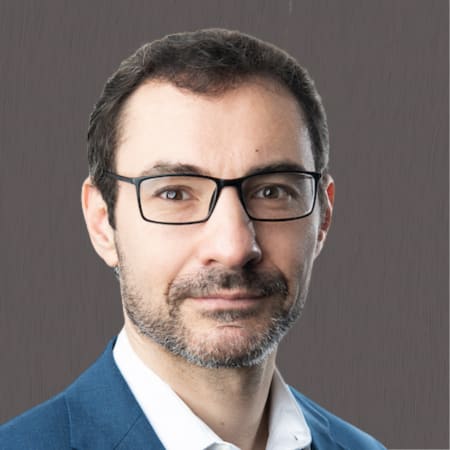
Mikhail Kogan, MD
Integrative and Functional Medicine Physician | ReCODE Program | Chief Medical Officer
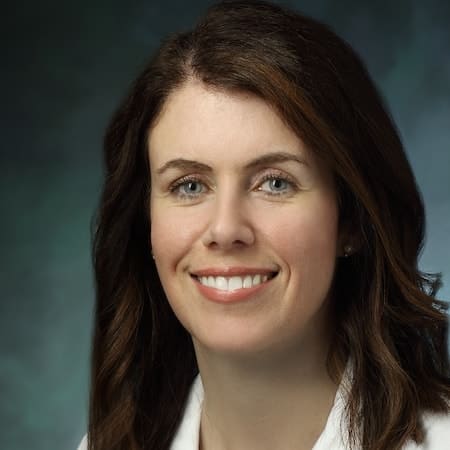
Misty Embrey, MD
Integrative Psychiatrist
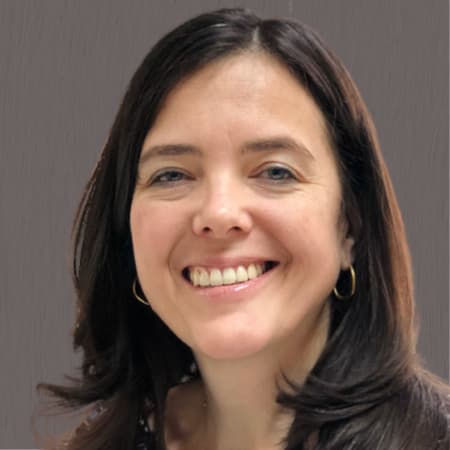
Deirdre Orceyre, ND, MSOM, L.Ac.
Naturopathic and Chinese Medicine Physician, Naturopathic Medical Director
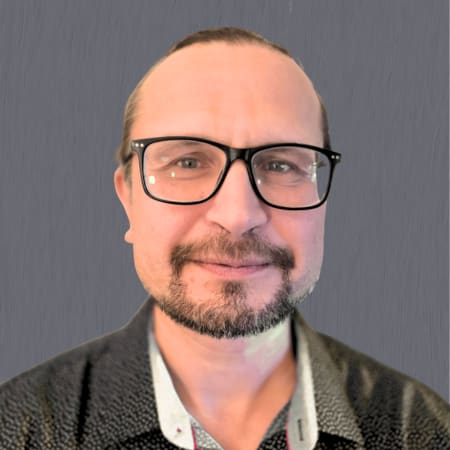
Mikhail Sogonov, PhD
Affiliated Provider | Environmental Indoor Inspections
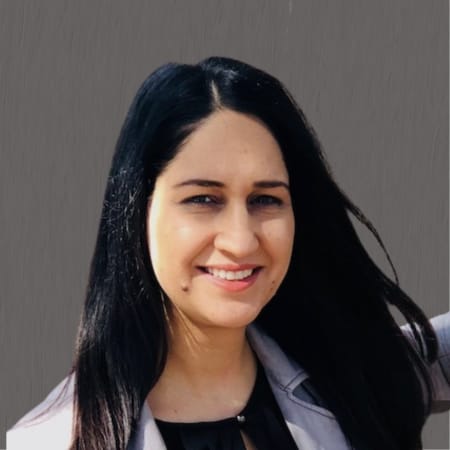
Marianna Ledenac, BS, ND
Naturopathic Physician
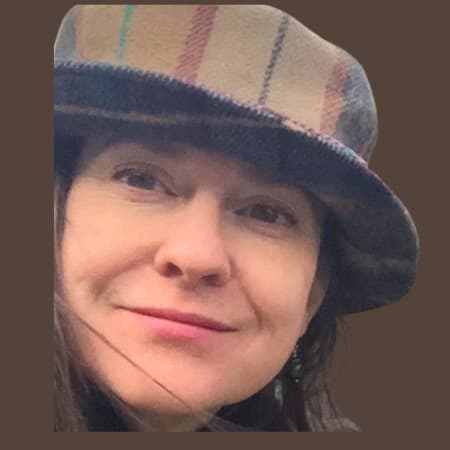
Tiffany Hoyt, DAOM, M.Ac., M.CHM, Dipl. O.M., LAc
Chinese Medicine Doctor

Angela Gabriel, MSOM, LAc, SEP
Chinese Medicine Doctor, Somatic Experiencing Practitioner
•Verification
Evidence and Research
•Education
Resources and Insights
•FAQ
Common Questions
A mold allergy is an immune reaction to mold spores — similar to seasonal allergies, but triggered by mold. Mold toxicity is a different and more serious problem. It is caused by mycotoxins — the chemical compounds mold produces — which are directly toxic to the body regardless of whether you are allergic. You can have mold toxicity without being technically "allergic" to mold.
Sometimes you can see or smell it — but often you cannot. Mold inside walls, HVAC systems, or under flooring may be completely invisible and odorless to the occupants. Professional environmental testing is the only reliable way to know. We work with Dr. Mikhail Sogonov, PhD, of InSitu Laboratory, whose on-site testing approach is particularly thorough and highly regarded by our patients.
Yes — with the right diagnosis, proper environmental remediation, and a systematic treatment approach, many people with CIRS recover significantly or fully. The key word is systematic. Recovery is rarely quick or straightforward, but it is achievable. The Shoemaker Protocol, when followed carefully and combined with integrative support, has helped thousands of patients regain their health.
If your home is the source of exposure, then yes — at least until proper remediation is complete. Continuing to live in a mold-contaminated environment while undergoing treatment is one of the most common reasons people do not improve. This is non-negotiable for recovery.
This is an active area of research and clinical interest. COVID-19, like mold, is a biotoxin that can trigger a CIRS-like inflammatory response in susceptible individuals. Many long COVID patients show lab findings and symptom profiles that overlap significantly with CIRS. Dr. Yakel discusses this connection in depth on The Brain Health Podcast.
The best first step is to fill out our New Patient Inquiry Form so we can get a sense of your history and connect you with the right provider. Our CIRS program is led by Dr. Jonah Yakel, working in close collaboration with Dr. Mikhail Kogan and the broader GWCIM team.