

•Overview
Understanding the Condition
Mental health shapes how we think, feel, relate to others, and get through the day. It's fundamental, and yet mental health conditions remain some of the most common and most underserved health challenges in the country, touching tens of millions of people across every walk of life.
At GWCIM, we treat mental health as inseparable from the rest of the body. Integrative care combines evidence-based medicine with practices that have been used for centuries, and the goal is simple: help patients get well, not just manage symptoms. After a comprehensive evaluation, we build a treatment plan that might include dietary changes, targeted supplements, herbal remedies, mindfulness practices, psychotherapy, and medication when it's needed.
Our team includes integrative psychiatrists, psychotherapists, naturopathic doctors, acupuncturists, and mind-body specialists, and we work together. Nobody gets handed a generic protocol here. Care is built around the person in front of us.
This condition is also referred to as Emotional Wellbeing, Anxiety disorders, Depression disorders, Mood Disorders, PTSD, cPTSD and trauma-related illness, Stress-related Illness, Mind-body disorders (psychosomatic conditions), Grief and adjustment disorders, Long-Covid and post-viral syndromes, Alzheimer's, Dementia and other Memory Disorders.
•Recognition
Signs and Symptoms
Mental health conditions look different from person to person, and the symptoms don't always point where you'd expect. Common signs include persistent sadness, low mood, or hopelessness; excessive worry, fear, or anxiety; difficulty concentrating or making decisions; changes in sleep, whether that's sleeping too much or too little; changes in appetite or weight; fatigue and low energy that doesn't improve with rest; irritability, mood swings, or emotional numbness; withdrawal from relationships and activities; physical symptoms such as headaches, digestive issues, or chronic pain with no clear medical cause; and, in more severe cases, thoughts of self-harm or suicide.
If you or someone you care about is experiencing thoughts of self-harm, please reach out to the 988 Suicide & Crisis Lifeline by calling or texting 988.
•Clinical Process
Conventional Diagnosis and Testing
Conventional Approaches
Standard mental health diagnosis relies on clinical interviews, patient history, and symptom evaluation against the DSM-5 criteria (Diagnostic and Statistical Manual of Mental Disorders). A primary care physician, psychiatrist, or licensed therapist usually conducts the initial assessment, often using standardized screening tools like the PHQ-9 for depression and the GAD-7 for anxiety. Neuropsychological testing may be recommended in some cases.
Beyond Conventional: Functional and Integrative Assessment
At GWCIM, we go further. Standard psychiatric evaluations often miss the physiological contributors sitting underneath a mental health symptom. Our providers may run a full thyroid panel, since conditions like Hashimoto's thyroiditis are closely tied to depression and anxiety. We also check nutrient levels, particularly vitamin D, B12, folate, magnesium, and omega-3 fatty acids, along with inflammatory markers, adrenal function, blood sugar regulation, and gut health. Hormonal imbalances, in sex hormones as well as cortisol, can shift mood and cognition significantly. Where it's clinically relevant, we also consider toxic exposures like mold and heavy metals. Treat the cause, not just the symptom. That's the whole point.
•Origins
Root Causes and Contributing Factors
Mental health is shaped by biology, psychology, social circumstances, and environment, all tangled together. Commonly contributing factors include chronic stress and nervous system dysregulation; early life trauma or adverse childhood experiences (ACEs); nutritional deficiencies and poor diet; gut microbiome imbalances (the gut-brain connection); chronic inflammation and immune dysregulation; hormonal fluctuations; thyroid dysfunction; toxic exposures such as mold, heavy metals, or environmental chemicals; sleep disorders; chronic pain or illness; social isolation; and genetic predisposition. Finding which of these are actually driving a patient's symptoms is central to how we approach care at GWCIM.
•Methodology
Our Integrative Medicine Approach
We see mental health as inseparable from the rest of your health. Instead of treating a diagnosis in isolation, our team works to understand your story: your history, your body, your nervous system, your life circumstances.
Care begins with a comprehensive evaluation that looks at the whole picture. From there, your treatment plan is built around you and often draws from multiple disciplines at once. We may address nutrition and gut health, support the nervous system through somatic and mind-body therapies, work with trauma through psychotherapy or Somatic Experiencing, and reduce the physiological drivers of anxiety and depression. When it's appropriate and wanted, medication is one tool among several, not the default. We also offer Ketamine-Assisted Psychotherapy (KAP) for patients with treatment-resistant depression, PTSD, and anxiety, paired with psychotherapeutic support throughout the process.
Our psychiatrists, therapists, naturopathic doctors, acupuncturists, and mind-body practitioners talk to each other, and to your outside providers, so your care stays coordinated instead of scattered across separate appointments.
More about our Services:
Integrative Psychiatry and Psychotherapy: Our integrative psychiatrist and psychotherapist work together on the mental, emotional, and sometimes biological dimensions of a condition. When medication makes sense, it's chosen carefully and monitored closely, usually as one part of a broader plan rather than the whole plan.
Naturopathic Medicine and Nutritional Support: Our naturopathic doctors look for physical contributors to mental health symptoms: nutritional deficiencies, gut dysbiosis, hormonal imbalances, inflammation. Targeted supplementation, herbal medicine, and dietary guidance help support brain health and emotional balance.
Mind-Body Medicine: We offer mind-body approaches drawn from Dr. John Sarno's work, which takes seriously the role repressed emotion and psychological tension play in physical and emotional symptoms. It's especially useful for patients whose mental health symptoms are tangled up with chronic pain or physical illness.
Mindfulness-Based Stress Reduction (MBSR): Our certified MBSR instructors offer this evidence-based, structured program, developed by Dr. Jon Kabat-Zinn, which numerous clinical studies have shown reduces anxiety, depression, chronic pain, and stress-related illness. MBSR teaches practical skills in mindful awareness that support change that actually lasts.
Somatic Experiencing (SE): Trauma lives in the body. Somatic Experiencing, developed by Dr. Peter Levine, is a body-oriented approach to healing trauma. SE works gently with the nervous system to release stored trauma energy, rebuild a sense of safety, and support long-term emotional regulation, and it doesn't require patients to re-tell or relive traumatic events in detail.
Acupuncture: Traditional Chinese Medicine and acupuncture have a long history treating anxiety, depression, and stress-related conditions. Our acupuncturists build individualized point protocols to support the nervous system, regulate mood, improve sleep, and address the physical toll of emotional distress.
Reiki and Energy Healing: Reiki is a gentle, non-invasive energy healing practice that many patients find deeply calming. It works well alongside other treatments, particularly for patients dealing with anxiety, grief, or the emotional weight of chronic illness.
Biofeedback and HeartMath: Biofeedback teaches patients to use real-time physiological data to regulate their own stress response. HeartMath's emWave technology trains heart rate variability (HRV) coherence specifically, a measure of nervous system balance tied closely to emotional resilience, stress tolerance, and mental clarity.
Ketamine Assisted Psychotherapy (KAP): For patients with treatment-resistant depression, PTSD, or other conditions that have not responded adequately to conventional therapies, KAP offers another path forward. Administered in a supportive clinical setting and paired with psychotherapy before, during, and after each session, ketamine can help loosen entrenched patterns of depression and anxiety, often bringing relief faster than talk therapy or medication alone.
•Expertise
Recommended Providers
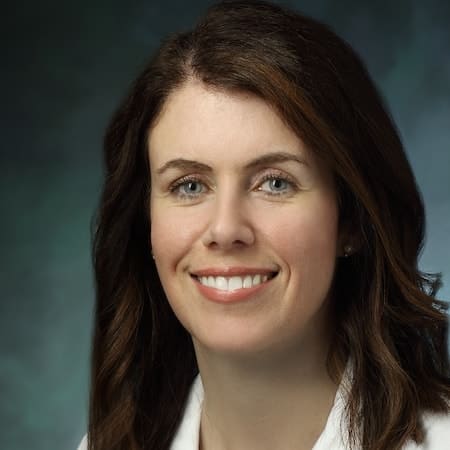
Misty Embrey, MD
Integrative Psychiatrist

Sally Novak, LCSW, DOM, L.Ac., MSW
Integrative Psychotherapist | Licensed Clinical Social Worker | Doctor of Oriental Medicine
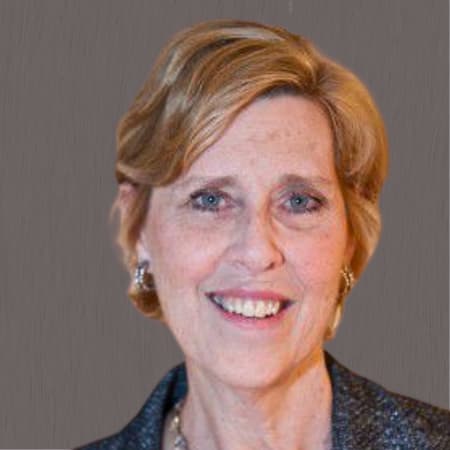
Andrea Leonard-Segal, MD
Mind-Body Medicine & Dr. Sarno Approach Practitioner
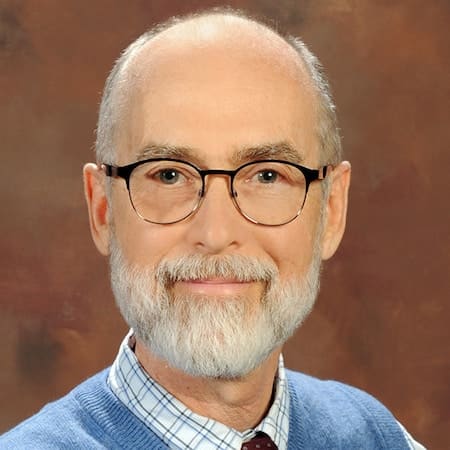
Robert Pendergast, MD, MPH, FAAP
Pediatric Integrative & Mind-Body Medicine Physician
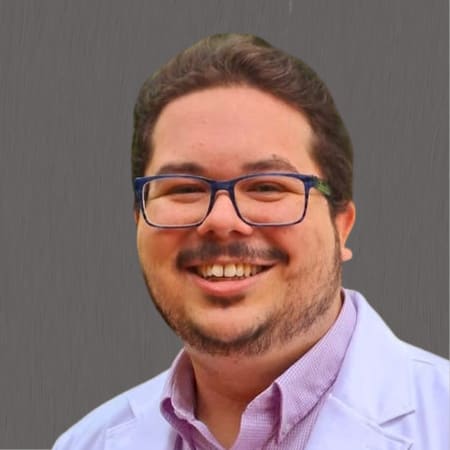
Dr. Abraham Benavides, MD
Medical Cannabis Consultant

Angela Gabriel, MSOM, LAc, SEP
Chinese Medicine Doctor, Somatic Experiencing Practitioner

Yael Flusberg, C-IAYT, E-RYT500, RMT, MS
Mindfulness, Somatic and Nervous System Coach | Yoga Therapist | Reiki Master

Mara Benner, Rev, RMT
Spiritual Director, Director of FDW Center (Affiliated with GWCIM)
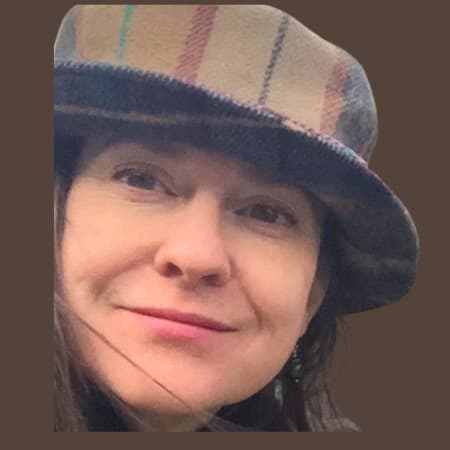
Tiffany Hoyt, DAOM, M.Ac., M.CHM, Dipl. O.M., LAc
Chinese Medicine Doctor

Catherine Miller
Affiliated Provider of Reiki and Yoga

Deirdre Orceyre, ND, MSOM, L.Ac.
Naturopathic and Chinese Medicine Physician, Naturopathic Medical Director
•Verification
Evidence and Research
•Education
Resources and Insights
•FAQ
Common Questions
Conventional mental health care tends to focus on diagnosis and then medication management or talk therapy. Integrative mental health care takes a wider view: nutrition, gut health, sleep, trauma, lifestyle, and the mind-body connection all get looked at. At GWCIM, our providers build a personalized plan that may combine conventional treatments with approaches like acupuncture, mindfulness, nutritional support, and body-based therapies. Symptom relief matters, but we're aiming for something that lasts longer than that.
Yes. We're glad to collaborate with your existing care team. Integrative care at GWCIM is meant to complement what's already working for you, not replace it, and we can coordinate directly with outside providers when appropriate.
Many of our patients are dealing with a chronic physical condition and the emotional weight that comes with it: depression, anxiety, grief, trauma, sometimes a diminished sense of who they are. Our integrative team is well-suited for this, because we understand how closely physical and emotional health are connected. It's rarely one without the other.
It depends on the person, the condition, and the treatments involved. Some approaches, like acupuncture, HeartMath training, and ketamine, can produce noticeable effects fairly quickly. Others, like MBSR, nutritional changes, and psychotherapy, build benefit over weeks and months of consistent practice. Your provider will set realistic expectations and adjust the plan as you go.
That's a common place to be. A good first step is an integrative medicine consultation with one of our physicians, who can evaluate your overall health picture and point you toward the right services and providers for what you actually need.