
•Overview
Understanding the Condition
Cancer touches nearly every family at some point. The good news is that treatment keeps improving, and survival rates have climbed across nearly every cancer type. But getting through treatment well takes more than medicine. The appointments pile up. Side effects, fatigue, the way your whole routine shifts, the stress of it all. None of that shows up on a scan, yet it shapes how you actually feel day to day.
At GWCIM, we work alongside your oncology team, so you have support on every front: less burden from treatment, a stronger, more resilient body, and a better shot at feeling like yourself again.
•Recognition
Signs and Symptoms
The body tends to signal when something's wrong. Cancer, at its root, is cells that have lost their normal checks and balances: growing where they shouldn't, when they shouldn't. Because those cells can start almost anywhere, the warning signs vary widely from person to person.
Watch for unexplained weight loss, persistent fatigue, unusual lumps or swelling, changes in the skin, pain that doesn't resolve, changes in bowel or bladder habits, a cough or hoarseness that won't quit, and unusual bleeding or discharge. Any one of these could mean something else entirely. Still, the body rarely raises a flag for no reason, and symptoms that stick around deserve a real evaluation, not a guess.
Here's the hard part: in its earliest and most treatable stages, cancer often causes no symptoms at all. That's the whole case for regular screening. Catch a disruption early, and you keep more options on the table.
If something feels off, get it checked. Trust that.
•Impact
Who is Affected
Certain cancers show up more often in specific populations, but across the board, risk climbs with age. Family history matters too, as do lifestyle habits and what you've been exposed to over a lifetime.
•Clinical Process
Conventional Diagnosis and Testing
Diagnosis usually starts with a physical exam, then moves to imaging (CT, MRI, PET, X-ray), blood work, and finally a tissue biopsy, which is still the only way to confirm cancer definitively. Staging tests come next, showing how far things have progressed and shaping the treatment plan. From there, patients are typically referred to an oncologist who coordinates the rest of their care.
GWCIM doesn't run routine cancer screenings or make diagnoses ourselves. Our role is supporting patients who already have a diagnosis. Occasionally, something we find in testing prompts us to refer someone out to an oncologist.
•Origins
Root Causes and Contributing Factors
Cancer rarely has one cause. Genetics play a role (mutations you're born with or ones that develop over time), and so do tobacco use, heavy alcohol consumption, chronic inflammation, exposure to carcinogens like radiation or certain chemicals, viral infections such as HPV or hepatitis B and C, obesity and metabolic dysfunction, a suppressed immune system, hormonal imbalances, and stress that's gone on too long. Most of the time it's not one thing. It's several factors stacking up over years.
An integrative approach takes all of that into account, not just to support treatment, but to lower the odds of the cancer coming back.
•Methodology
Our Integrative Medicine Approach
We believe patients deserve more than surgery, radiation, and chemotherapy alone. We respect the work of your oncology team deeply, and we're not here to compete with it. What we've found is that therapies aimed at strengthening the body's own defenses, easing treatment side effects, supporting emotional health, and correcting underlying metabolic and immune dysfunction can genuinely improve both outcomes and quality of life.
Our Integrative Oncology specialists build individualized programs in full coordination with your conventional care team. Active treatment, recovery, long-term survivorship: wherever you are, we're here to help you feel steadier and more like yourself.
We also work with patients after conventional treatment ends, whether they reached remission or not, to rebuild vitality, address symptoms that linger, and help them feel whole again.
•Expertise
Recommended Providers
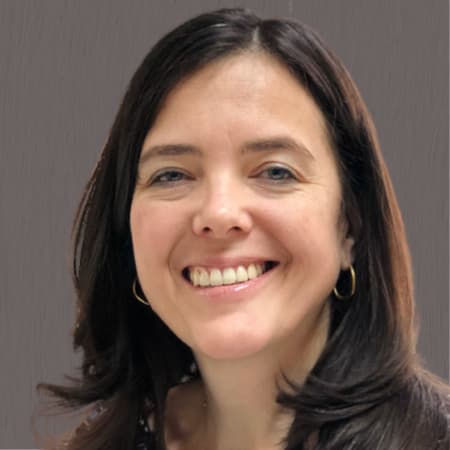
Deirdre Orceyre, ND, MSOM, L.Ac.
Naturopathic and Chinese Medicine Physician, Naturopathic Medical Director
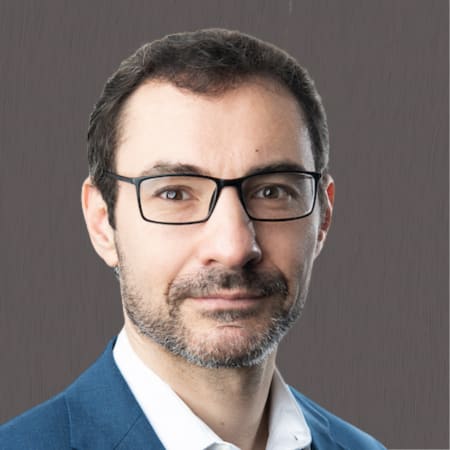
Mikhail Kogan, MD
Integrative and Functional Medicine Physician | ReCODE Program | Chief Medical Officer
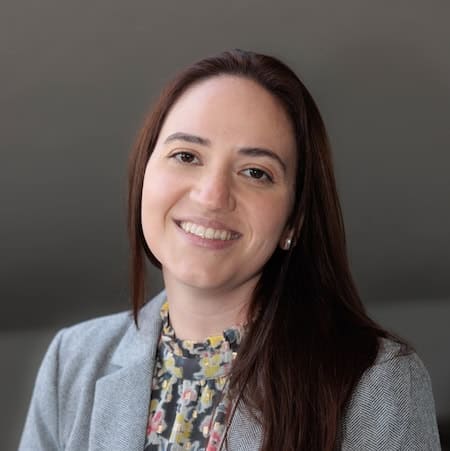
Ashley Drapeau, PA-C, L.Ac., MPAS, MAC
Medical Director | Functional Medicine | Long-Covid Program Director
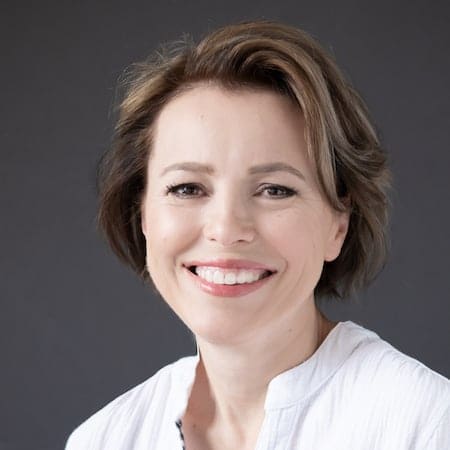
Angela Gabriel, MSOM, LAc, SEP
Chinese Medicine Doctor, Somatic Experiencing Practitioner
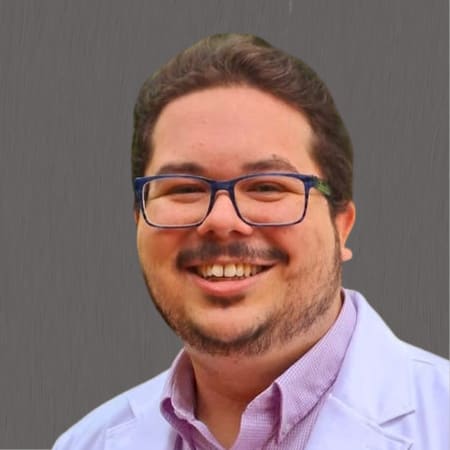
Dr. Abraham Benavides, MD
Medical Cannabis Consultant
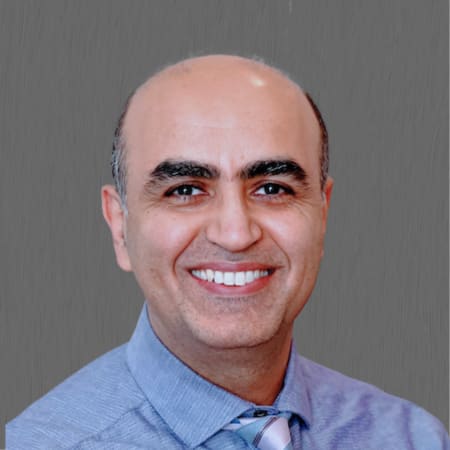
Paymon Sadrolsadot, ND, PhD
Naturopathic Psysician, Integrative Medicine Physician
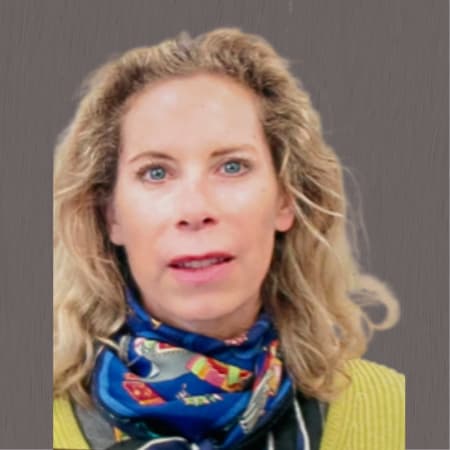
Joelle Rabion , MS/MCST, HHC, AADP
Medical Cannabis Coach
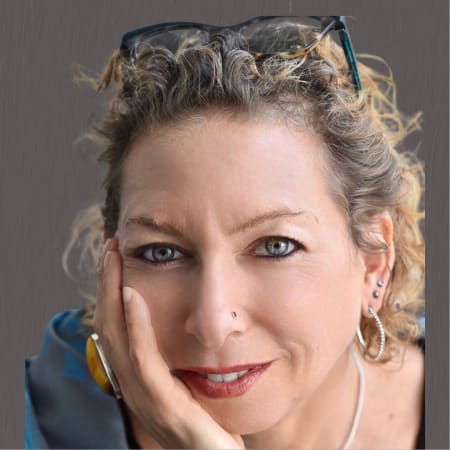
Yael Flusberg, C-IAYT, E-RYT500, RMT, MS
Mindfulness, Somatic and Nervous System Coach | Yoga Therapist | Reiki Master
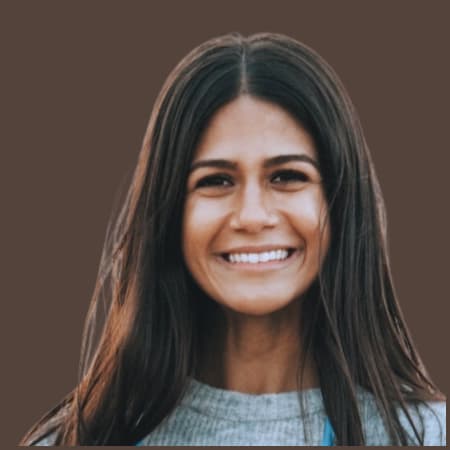
Madison Gnan, RN
Intravenous (IV) Therapy, Infusion Nursing, Concierge IV Therapy, Women's Health, Labor and Delivery
•Education
Resources and Insights
•FAQ
Common Questions
Absolutely not. Our integrative approach is designed to complement — not replace — your conventional oncology care. We coordinate with your oncologist and work alongside your existing treatment plan.
This is an important question and one we take very seriously. Some supplements and IV therapies are contraindicated during certain chemotherapy regimens, while others are well-supported by evidence. This is precisely why we begin with a thorough medical consultation — so that everything we recommend is safe, appropriate, and timed correctly relative to your conventional treatment.
Our naturopathic oncology providers support patients across a wide range of cancer diagnoses. Dr. Kogan's functional medicine consultations are available for specific cancer types — please contact us to discuss whether your diagnosis is within his scope for this work.
As early as you feel ready. Many patients find it helpful to establish integrative care early in their treatment journey, so that supportive therapies can be put in place from the start. Others come to us mid-treatment or after completing conventional care — we meet patients wherever they are.
Yes — and this is one of the areas where we are most valuable. Post-treatment, many patients struggle with fatigue, cognitive changes ("chemo brain"), hormonal disruption, anxiety, and a loss of identity. Our integrative team specializes in helping patients rebuild their health and reclaim their quality of life after cancer.